Search

kafkaestblog

It is a whirlwind in here

Category

military

Happy Birthday, Princess Anne The Princess Royal. Hip Hip Hooray!

The Sergeant Major barks more commands. This is a full-bore Military event. There are no civilian dignitaries present, although there are plenty of civilians.

       The Princess Royal is not going to inspect troops. She stands in silence, looking at a stand of trees and masses of people. Fred wonders what she is pondering. She thinks it has something to do with hearing ‘God Save The King’. The Princess Royal has helped bury two of them – and a Queen.

       “Sergeant Major?”

       “Ma’am.” The Sergeant Major is startled, but never too startled for words.

       “Put them at ease.”

       Even a Sergeant Major can not be prepared for everything, but the Sergeant Major acts immediately to the unexpected and strange request. He bellows his exact and time-worn orders, and both troops and band return to at-ease positions.

       “Fred, let’s take a look at this Memorial.”

       “Yes, Ma’am.”

       The Princess Royal gestures for both her Aide-de-Camp, and the General waiting in the wings, to accompany them. Fred knows HRH desires this event be as simple as possible, but she doubts local officials anticipated anything this simple. Even the couple thousand standing on the grass, walkways, and among the trees, sense this is a unique event. There is barely a murmur.

       Winnifred Mayhew Cudgel feels that something should be said. They should be seen to be talking. Such silence is, quite frankly, weird.

       “This is all for a horse?” Fred knows the answer, but doesn’t know what The Princess Royal really thinks.

       “Oh, so much more.” She looks at Fred. “A horse of hope. At war’s end, a horse of triumph.”

       Fred now knows what is going on. The horse, named Princess Louise after the regiment that found her, had been wounded on a battlefield in Italy. It had been found in a field standing beside its dead mother. Members of the regiment, so many of them farm boys from the country, spirited the horse away. Tended to its wounds. Fed and watered it. Put it into an enclosed truck and took it wherever they went.

       Officers pretended to know nothing.

       At war’s end, Princess Louise, alive and healthy, was put on a ship and ended in New York. From New York she was transported to Saint John, and from Saint John twenty miles away she ended her trip in Hampton, where she got a bale of hay, a bag of oats and was made a ‘naturalized Canadian’. She was given the “. . .  God-given right to trample and eat from any and all vegetable gardens.” She died at 29 in 1973, and is buried at The Princess Royal’s feet.

       “A mascot,” says Fred.

       “And, I think, a friend.” The Princess Royal chuckles. “They say she liked some whiskey and beer.”

       “Sounds like a good life.”

       “Eventually – yes.”

       The Princess Royal’s Aide de Camp approaches, accompanied by an older man.

       “Your Royal Highness, this is Mr. Finton. He looked after Princess Louise the last years of her life.”

       “I’d call her Lou.”

       “Hello, Mr. Finton.” The Princess Royal extends her hand. “Pleased to meet you.”

       “But always Princess Louise around other people.”

       “I understand.”

       “She was special.” Mr. Finton glances at Fred, glances at the Aide de Camp. “There was always respect paid.”

       “That is appreciated.”

       “I have something for you.”

       “Oh, yes?”

       Fred and the Aide de Camp look far more surprised than The Princess Royal. This was not part of any plan. Winnifred Mayhew Cudgel likes to create surprises – likes to spring them for effect – but she doesn’t enjoy them.

       “I understand you like horses.”

       “I do.”

       “Then Princess Louise would feel good if you have this.”

         Mr. Finton reaches toward an inside pocket of his jacket. Fred notices members of the Security Detail tense up and move closer. The Aide de Camp immediately puts himself between The Princess Royal and the man. Fred remembers that she is to duck and cover. Endeavour has told her often enough. And to roll. He has even made an interesting game out of it.

       Mr. Finton takes out a hand-sized package, wrapped in brown paper. There is twine around it, tied into a neat bow at the top,

       “I hope that you will like this, your Royal Highness. I think you can get nothing more personal.”

       Unexpected gifts are not to be given, and certainly not to be received. It could be dangerous. It could be insulting. It could be embarrassing. The Princess Royal does not hesitate to take it in her hands.

       But then, she gives it directly back.

       “Perhaps you will undo it.”

       “Yes, your Royal Highness.”

       Mr. Finton retrieves the package without looking at her. He is slow to untie the knot, but pays attention to no one around him. Perhaps he has forgotten them. The hundreds of people have gone silent. The only sound is the breeze through the trees.

       Holding the twine in one hand, he hands back the package.

       “I apologize for any inconvenience.”

       “Think nothing of it.” She looks directly into his eyes. “These gloves were not made for untying string.”

       The Princess Royal takes the package and opens up the brown paper. Inside is a commercial blue jeweller’s box, with a store name and the image of a diamond imprinted on it.

       “Are we to be engaged?”

       Mr. Finton is momentarily at a loss, then barks out a deep laugh.

       “Lord love a duck.” He shakes his head. “No, no, no.” He covers his mouth as another laugh escapes. “It’s the only decent box I could find.”

       “My husband will be glad to hear that.”

       The Princess Royal shifts her shoulder bag, then opens the box.

       “My God.” The Princess Royal laughs. “Straight from the horses’ mouth.”

       “It was one of her favourites.”

       The Princess Royal takes it from the box. She shows it to Fred.

       “It’s a mullen.”

       “Ma’am?” Winnifred Mayhew Cudgel is at a loss for words – an unusual state for her to be in. She has seen nothing like the object in her life.

       “A horse’s bit, held inside the animal’s mouth to control the reins.”        “I tried a number over a co

of years.” Mr. Finton rubs the metal. He glances at Fred and then looks at The Princess Royal. “I could tell this was the most comfortable.”

       “Did you ever ride Princess Louise, Mr. Finton[?’

       “I wasn’t supposed to.”

       “But?”

       “I was to exercise her every day. She was stabled out at a farm, some miles from here. Big pasture. Just walking seemed to be a bore.”

       “For you?”

       “Well – yes.” Mr. Finton pauses. “But, I think, for both of us.” He speaks quickly. “And I knew some of the soldiers had ridden her in Italy, when she was healed.”

       “Did she like it?” Fred is curious.

       “Yes.” Mr. Finton turns to her. “Absolutely.” He looks back to The Princess Royal. “Always gave me a nudge every day after that.” He has a smile on his face. “Always a gentle ride, mind. She was no filly.”

       “My mother liked to keep riding.” The Princess Royal smiles. “She was no filly, either.”

       “She was a great woman.” Mr. Finton bows his head.

       “Yes.” The Princess Royal puts the mullen back into the box. “She was.”

       The Princess Royal steps forward a few steps to look closely at the memorial. She has complete interest in what she reads, but this is also the signal that the event is coming to a close. Her Aide de Camp and the security detail prepare to leave. Discrete orders are spoken into microphones. Some car engines start on the street.

~ Dale Estey

Russia Invades The Artic With Paratroopers

3000

So implies the newspaper headlines in the Spring of 2020. With photos. Photos provided by the Russian military.

In The Bonner Resolution, my novel of NATO Military Intrigue, the Russians do not invade the Artic. But they make stealth under the ice with a nuclear submarine. NATO is waiting.

This is how “The Bonner Resolution” begins:


Afternoon ZULU Time 14:52

The sky is clear and cold.

And blue.

This does not help while watching the expanse of ice. Colonel Bonner thought it would. He thought such a clean demarcation of surface and horizon would accentuate anything appearing between the two. Across kilometers of rippled ice that encourages the winds. The winds that make the Arctic cold penetrate his high tech parka and his thermal long johns. They talk about “wind chill” in the country Bonner is used to. They don’t know nothing.

Before this assignment, Colonel Bonner presumed he had been every place NATO could send him. He has been in war zones. He has been in safe zones where people did not know there is a war. He has been in those diplomatic zones that teeter-totter between the two. Those most of all. He has fought enemies both foreign and domestic. He has averted disaster of massive proportions on his own soil (well – legal sea boundary) that has still managed to remain unexplained.

It was cold there, too.

Colonel Bonner is lying under white camouflage blankets and upon a waterproof mat. He has been in this position for two hours. Any longer and he will be prone to hallucinations. Any longer and he will freeze his balls off – regardless of protective clothing and insulated mat. This is not just his opinion; it is the observation of his guide. His Canadian Ranger companion had nudged him on the shoulder and cupped his own groin and pointed at his watch. If he wants to have babies he’ll move his ass. The cold doesn’t creep up on you, it hits with a wallop. From one minute to the next.

Bonner looks at his own watch. Twenty minutes left though he feels he could have been here either four hours or forty minutes. Time expands and contracts at the same time. This happens during long periods of observation, wherever he has such an assignment. It happens with more force when there is virtually nothing to see. The passage of the sun is the most notable action going on before him. It proves to be of little distraction. And anyway, it is dimmed by his snow goggles.

Bonner adapts to this barren reality by accepting it is not really barren. He pays attention not only to the things the Canadian Rangers teach him, but he watches how they interact to the surroundings. With few humans to deal in an environment that can kill them, they are far more attentive to their senses than he. A creaking of ice, or the slant of shifting snow, tells them more than a manual reveals. They can smell a change coming toward them that is hours away. He makes an attempt to follow their lead. He keeps his mouth shut on the inane observations those from the south are prone to make. He has been shown his restraint is appreciated.


**************************

And this is but one of the many news stories that  cover the real event.
[IMAGE]  https://storage.googleapis.com/afs-prod/media/media:52a815de8b63498e8121d16f40112b6f/3000.jpeg

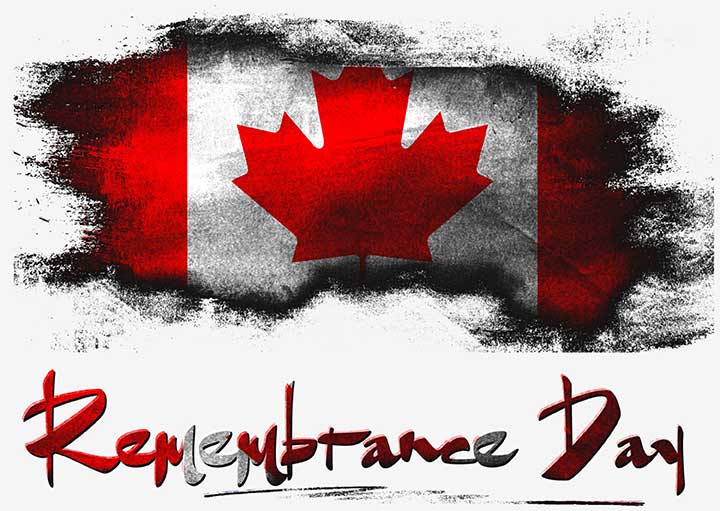
Remembrance Day / Jarvis Bay in Canada

remembrance-day-canada-flag
The major Remembrance Day Service was held in a hockey arena. Which we don’t like. So we found – in walking distance – a service at a small naval memorial/park with a Cenotaph. The park was in honour of the navel ship, The Jervis Bay.  http://www.hmsjervisbay.com/

 
I’ll stab at 400 – 500 folk there. Cars parked as far as ten minutes away. Raggle-taggle group of cadets. Trumpet player who had no trouble with the high notes – but the low (Oy vey).
 
Two good ole boys near us who looked as if they had been hauled from a brawl at the local tavern – but they had their poppies.
 
Sweet li’l kidlets.
 
MC who made old, old jokes and had to be corrected a few times about the Order of Service. And had to ask if anyone was present who might lay the wreath of the government or city or …
 
He chuckled over the one guy who volunteered a number of times: “We’re puttin’ ya to work today.”
 
A train whistle in the distance that gave a loooong blast for 11:00 (though it was a coupla minutes out of sync).
 
And TOTAL silence for the two minutes of silence.
 
Then home we went to watch the Service from Ottawa, with the Governor General, Prime Minister, Silver Cross Mother, Military Pipes & Drums, marching Military Contingent, and interviews with two sharp-as-a-tack Veterans in their late nineties.
 
Best of both worlds.

Remembrance Day

arms_land_artillery_royal_1

My father, Bombardier Byron C Estey, Service Number G4094 Units: 1st Anti Tank Regiment: 90th Anti-Tank Battery was on the crew of an anti-tank gun, similar to the one shown above. His job was to plot  the trajectory of the shells, so perhaps he would have stood in the same position as the fellow closest to the camera. The photo is taken during the Italian campaign in 1943, so my father was in the area.

Dad talked about the war, but rarely about the bad parts. He was full of amusing antidotes and descriptions and the tales of how people would act. He met my mother in England and it was love at first sight. He rarely neglected to add that he met her “…while searching for the ruins.” Those ruins were Hadrian’s Wall and my mother was also visiting them – with her boyfriend. So it goes.

My father was stationed in England for nearly three years. Canadian soldiers were positioned around London in case of a German invasion. Though such orders were never directly given, it was understood that the Canadians would ‘take no prisoners’ in the event of an invasion. My father had no problem with that.

He landed for the Invasion of Sicily and fought up through Italy. He was in what is classed as one of the bloodiest battles Canadian forces encountered, The Battle Of Ortona, called “The Italian Stalingrad”.  He spoke little about these eight days, which included Christmas amongst the blood.

Dad was never wounded (though he once stood up in his slit trench to see what the “funny noises” were and had his battle tunic shredded with shrapnel). He also contracted malaria, and the day the hospital tent was sweltering and he dragged his mattress beneath a tree, two doctors stood over him. They thought him unconscious and debated his condition. There was a new medicine for malaria and they discussed whether Dad was too near death to waste it on him. Since I am writing these words you may conclude they decided in favour.

I regret not talking more about the war with him, though he did not welcome such intrusion. I did once ask how close he actually got to German soldiers. He said: “Close enough to kill them.”

[image]  http://www.junobeach.org/wp-content/uploads/2014/04/arms_land_artillery_royal_1.jpg

A Military Parade For The Commander-in-Chief

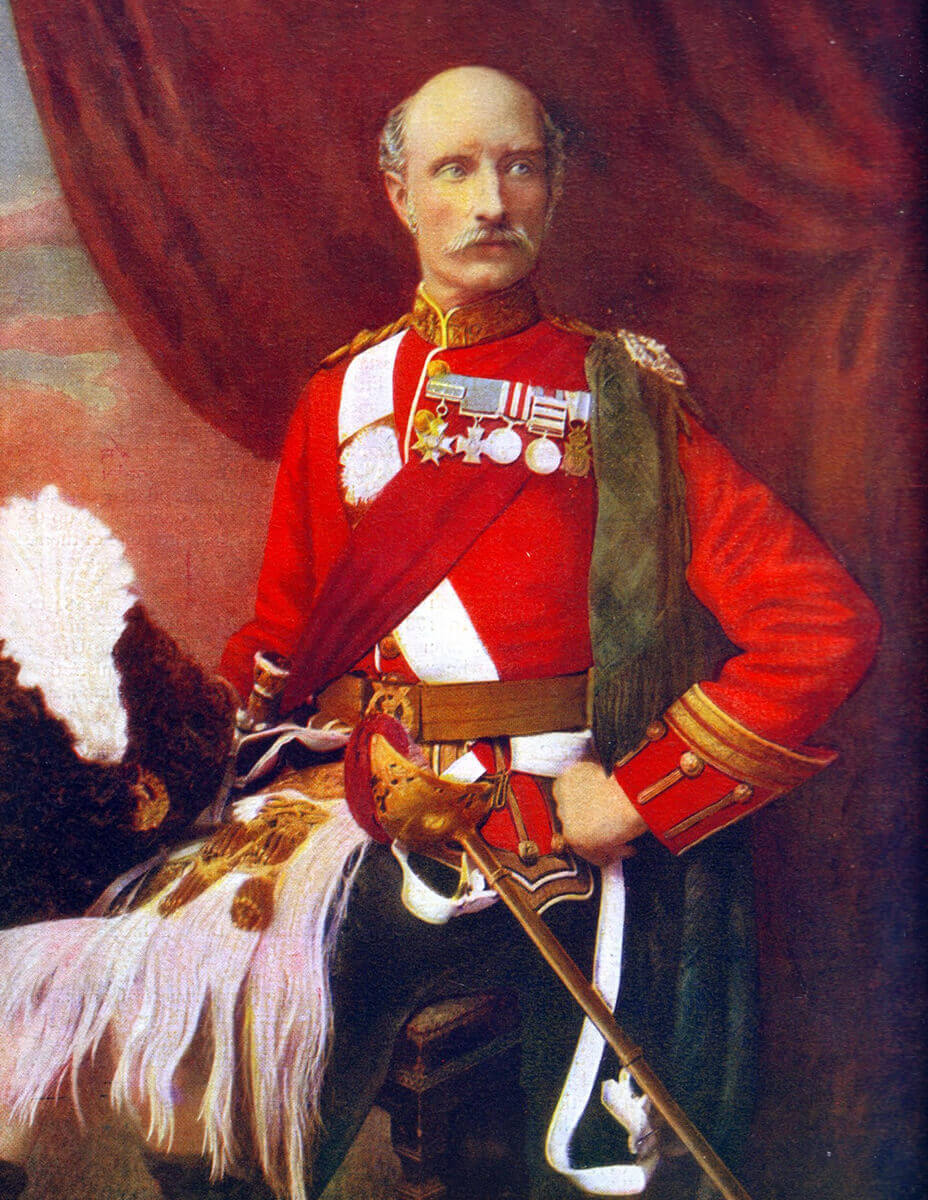
2-lieutenant-general-sir-george-white-vc-gcb

Commander-in-Chief  Donaldo decided it would be a grand day to become Admiral of the Fleet – Lord High Admiral, if he chose the hat with cockade and plume.

The plume put on an impressive display, as he either agreed (or disapproved) with a toss (or a shake) of his head. The dancing ostrich feathers would added a dashing air as he boarded his flagship and, with just the right mixture of stringent authority and well-tempered geniality, moved among the ranks of ratings on the aft deck.

He would, of course, be extra careful about the pitfalls awaiting a man, with ornate dress sword and scabbard, among the steep steps and narrow companionways.


Wednesday was khaki day for Commander-in-Chief Donaldo.

It was the day set aside to remind him of the loyalty he must always retain from his men. What is a leader without his troops? As a treat – for really, dull brown did not make a striking appearance – he would chose the tank commander’s uniform.

With its wide web belt and shiny black holster on the hip, flap unsnapped to reveal the butt of a wicked forty-five. And  black leather gloves, as befits a man at the controls of so much power. And a steel helmet polished to a mirror-shine.

The riding crop? Ah, the riding crop was debatable.


Today he would have a parade.

Massed men at attention with stiffly-held rifles and fixed bayonets.

Commander-in-Chief Donaldo would have to chose carefully. to represent his awesome power and responsibility. Cavalry boots are a must, raising half-way up the calf, resounding with silver spurs, steel-tipped toes and heels.

Then would come crisp black trousers, billowing majestically around the thighs, kept up with a wide leather belt. He took care that each red stripe reaching the length of each leg was as straight as an arrow.

His blue tunic, he decided, would have only muted decorations, with the minimum of gold braid entwined about his shoulders. He is – after all – a fighting general.

[Image] https: //www.britishbattles.com/wp-content/uploads/2014/11/2-Lieutenant-General-Sir-George-White-VC-GCB.jpg

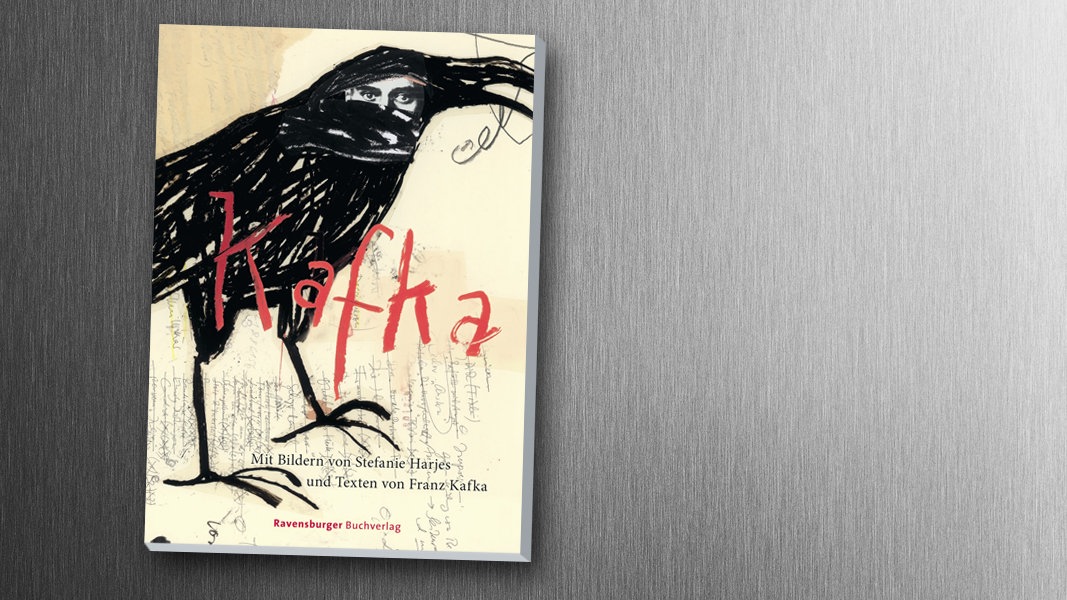
War And The Army And Kafka

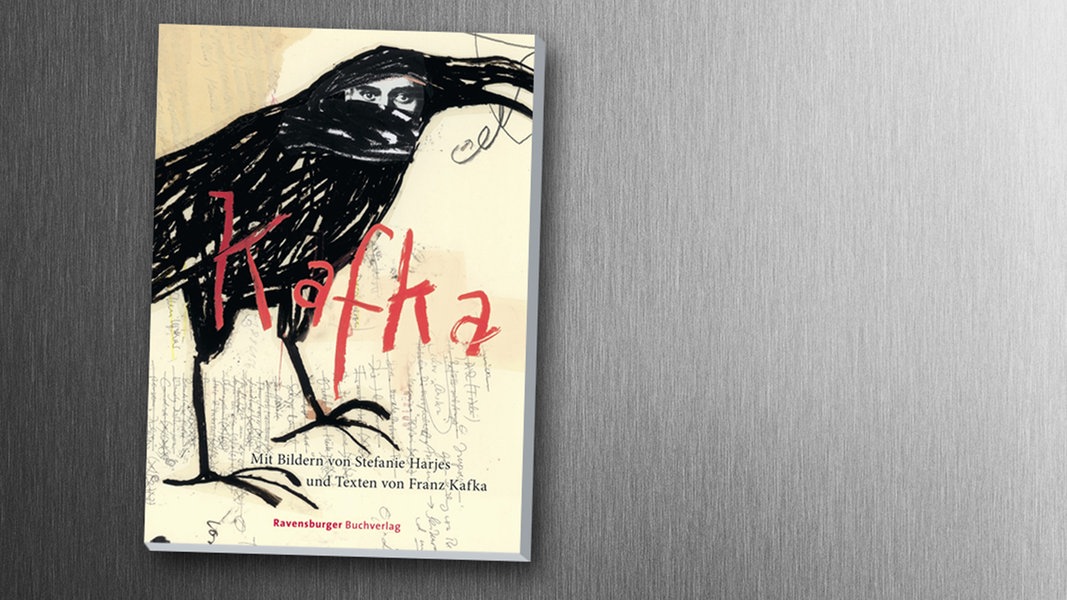
kafka115_v-contentxl

Kafka recorded the beginning of the First World War in his diary this way:

August 2, 1914: Germany has declared war on Russia. Went swimming in the afternoon.

That was it.

But, regardless of his lack of enthusiasm, Kafka believed in the duties of the citizen. He tried to join the army to fight. In fact, he tried to join a number of times. He was always refused because the government deemed his civil/government job was too important for him to relinquish.

But, near the end of the war, when Kafka was so sick he had lengthy periods of leave from his job to recuperate, the army came calling.  Kafka had to appear before authorities with medical proof of his illness.

In my novel, Kafka In The Castle, I ‘fill in’ one of his diary entries describing such a situation.

~~~~~~~~~~~~~~~~~~~~~~~~~~~~~~~~~~~~~~~~~~

07 February 1918

I find I must go to Prague at the end of next week. Such knowledge is proof that one should not open one’s mail. The Military yet again wishes to snare me, and I must once again prove that my hide is not worth the effort.

There were time (very rare) when my father would despair. Not his usual anger at the general incompetence and perfidy of the world around him, but a resignation to the belief that things would never get any better.

“If they want to drag me down,” he would say, “Then I may as well join them. I’ll go out into the street and let myself be swept away by the mob. I’ll become part of their common, grubby life, and let them wipe their boots on me.”

That is much as I feel right now. Let the army take me, dress me in their uniform, point me toward the Americans, and have some cowboy shoot me. Going into battle could be no worse than going into Prague.

[Image] https://www.ndr.de/kultur/buch/tipps/kafka115_v-contentxl.jpg

The Summer Solstice Could Be Bad For Virgins

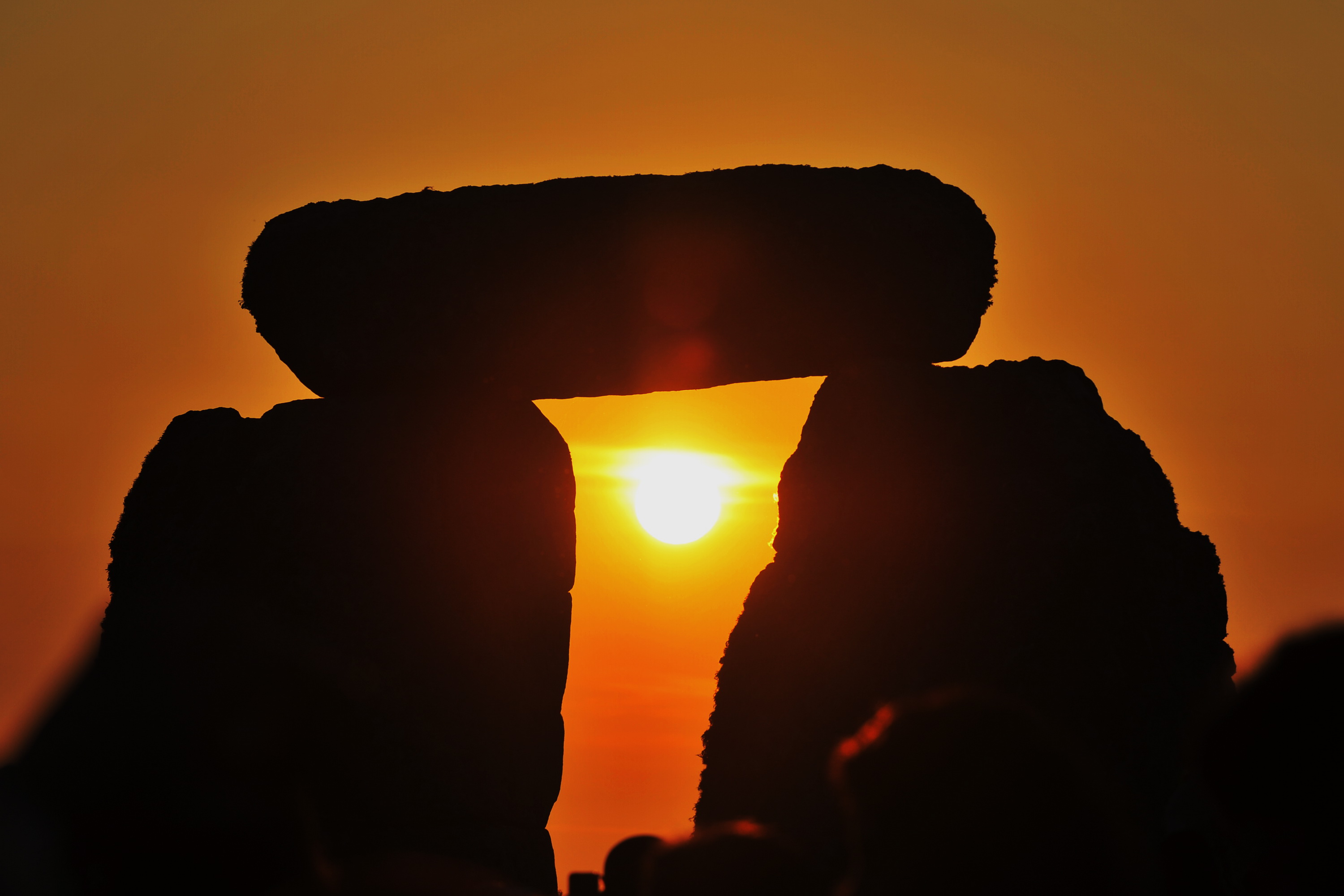
Thousands Gather To Celebrate Summer Solstice At Stonehenge
I have an odd connection to the Summer Solstice, and it is via Stonehenge. My father guarded the structure, and did so on Midsummer Day.

During the Second World War, it was feared that Germany would invade England. Many of the Canadian soldiers stationed in England were spread in a wide circle around London. An outright invasion would be a do-or-die situation, and Canadian soldiers had it been known to them – without direct orders – that no prisoners were to be taken.

One of the areas put under guard was Stonehenge. Though less so now, at that time Stonehenge was surrounded by vast planes. It was feared the Germans might use these open areas for paratroopers, and also gliders full of troops. Thus the area was defended.

My father was part of this protection, and it so happened that he stood guard duty near Stonehenge itself on Midsummer Day, and watched the sun rise over the monument.

He was aware of the significance of both time and place, as many of his comrades might not be.

Indeed, when he informed them that the Celts, at one time, sacrificed virgins on altars at Stonehenge, they expressed – in more earthy soldier language than I am going to use – “What a waste.”

(Image)https://timedotcom.files.wordpress.com/2015/06/summer-solstice.jpeg

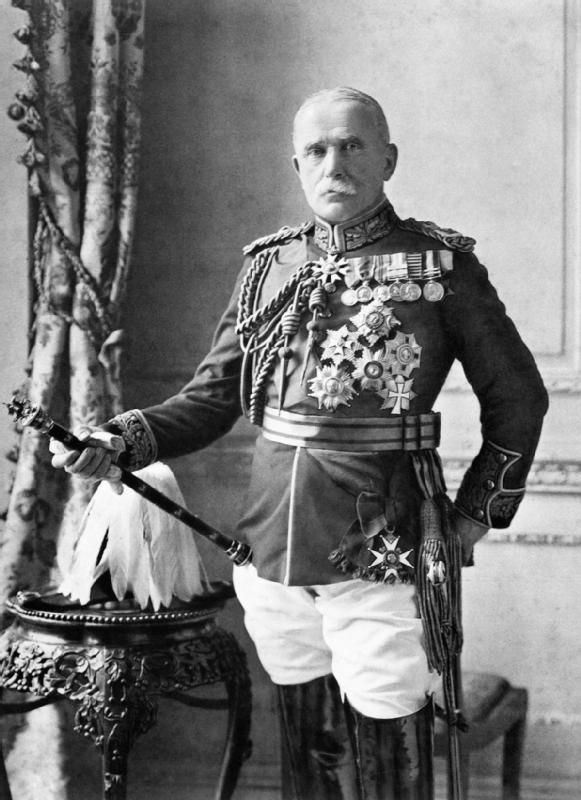
When You’re Commander-in-Chief of The Armed Forces


ee45d9f61c0565960954885a7fa1c292-ww-history-military-history

Brigadier O’Donald decided that it would be a grand day to become Admiral of the Fleet – Lord High Admiral if he chose the hat with cockade and plume.

Nodding jauntily in the air, the plume put on an impressive display, as he either agreed, or disapproved, with a toss, or a shake, of his head. The dancing ostrich feathers would add a dashing air as he boarded his flagship and, with just the right mixture of stringent authority and well- tempered geniality, moved in imperious sweeps among the ranks of ratings on the aft deck.

He would, of course, be extra careful about the pitfalls awaiting a man with ornate dress sword and scabbard, among the steep steps and narrow companionways.


Wednesday was khaki day for Brigadier O’Donald.

It was the day set aside to remind him of the loyalty he must always retain from his men, for what was a leader without his troops? And as a treat – for really, the dull brown did not make for a very striking appearance – the would choose the tank commander’s uniform.

With its wide web belt and shiny black holster on the hip, flap unsnapped to reveal the butt of a wicked forty-five. And of course the black leather gloves, as befits a man at the controls of so much power, and the steel helmet polished to a mirror-shine.

The riding crop? Ah, the riding crop was debatable.


Today would have a parade. Massed men at attention with stiffly held rifles and fixed bayonets.

Brigadier O’Donald would have to choose carefully to represent his awesome power and responsibility. Cavalry boots are a must, raising half-way up the calf and resounding with silver spurs, steel-tipped toes and heels.

Then would come crisp black trousers, billowing majestically around the thighs, and kept up with a wide leather belt. He took care that each red stripe reaching the length of each leg was as straight as an arrow.

His blue tunic, he decided, would have only muted decorations and the minimum of gold braid entwined about his shoulders. He was – after all – a fighting general.


A civic reception is the time when Brigadier O’Donald would be on close display.

He believes he is at his most effective  when draped completely in white, save – of course – for his highly polished black dress shoes (and, in truth, he favoured white even here, but feared such footwear was a trifle effeminate). White is striking by itself, but well he knew it made the perfect background for his medals and decorations.

He has trouble deciding upon which colour sash to wear across his chest, but finally chooses the emerald-green – the reception is in the public gardens. He dons his silver-visored cap, and graces his bosom with the blue Clustered Palm of Valour; the diamond centered Star of Courage; the gold Pyramid of the Oaken Grove; and seven rows of bars and campaign medals.

There are no visiting Heads of State, so he need not be too brilliant.

(image)https://i.pinimg.com/736x/ee/45/d9/ee45d9f61c0565960954885a7fa1c292–ww-history-military-history.jpg

Blog at WordPress.com.

Up ↑